← All Work
Product + Custom Electronics · LPA-001
Specimen Lamp
A wet specimen containment unit for a small fetal alien
Product + Custom Electronics · LPA-001
A wet specimen containment unit for a small fetal alien
01 The Brief
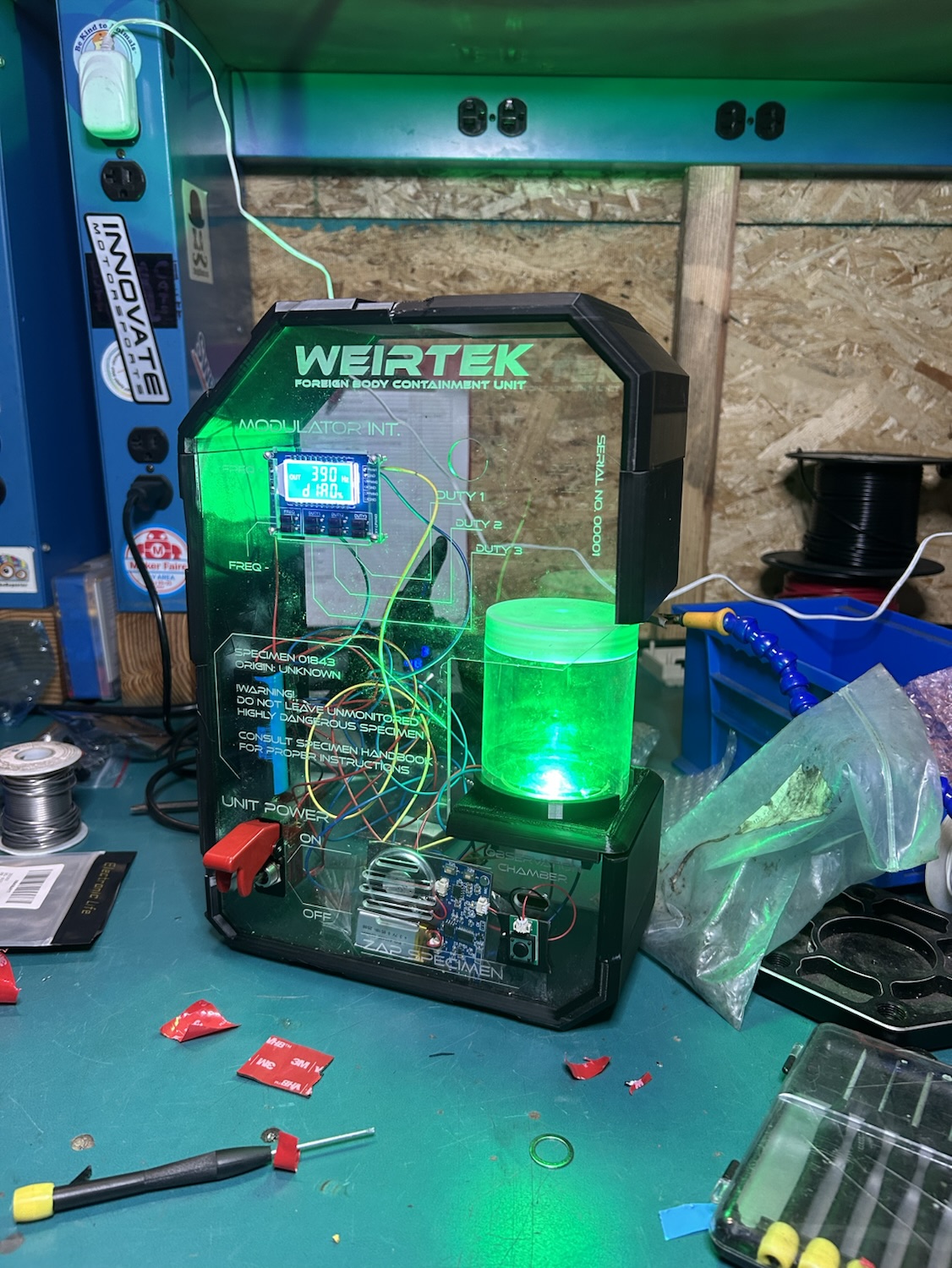
Specimen is a toy lamp designed to read like a wet-specimen containment unit for a small fetal alien: a nerdier lava lamp. It draws on the visual language of 90s Nickelodeon slime toys and neo-futurism, slimy patterns, translucent green plastics, and deliberately exposed electronics that echo a piece of space-station equipment.
To make all the electronics visible, I needed to actually build them from scratch and have real control over the light. Not knowing much about electronics going in, that was exactly the point.
02 Custom LED Driver
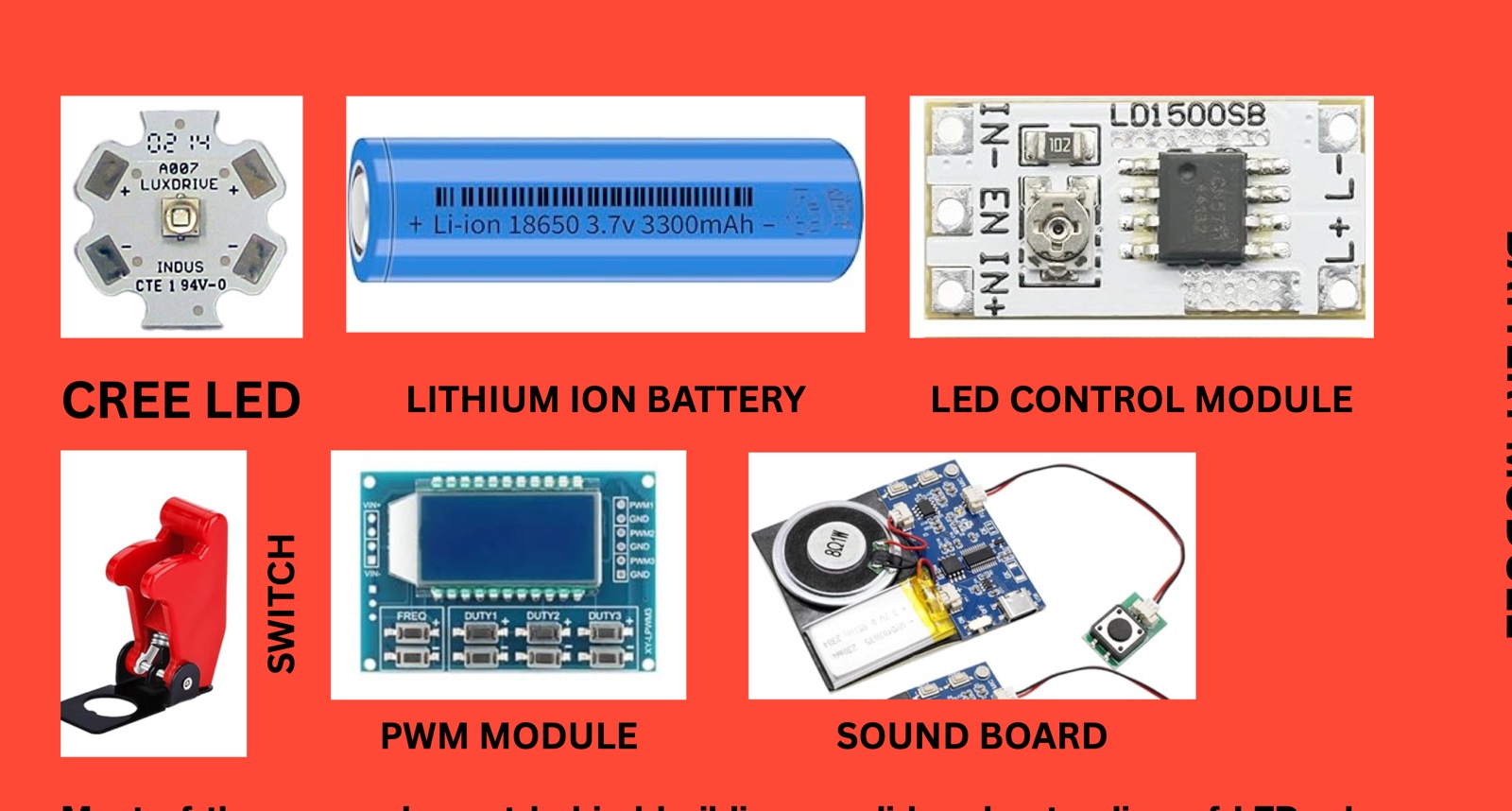
I designed a custom driver around a CREE ultrabright LED: a lithium-ion battery with a protection module, constant-current regulation, a PWM dimming module, and a standalone sound board with its own independent power supply and logic.
Ultrabright LEDs need a constant current, delivered by a constant-current regulator; dimming needs PWM, which needs its own component; and LEDs get hot, so they need heat sinking. Reasoning through those constraints, on my own, is the competence trajectory that led directly into Nomad's far more complex hardware.
03 Fabrication
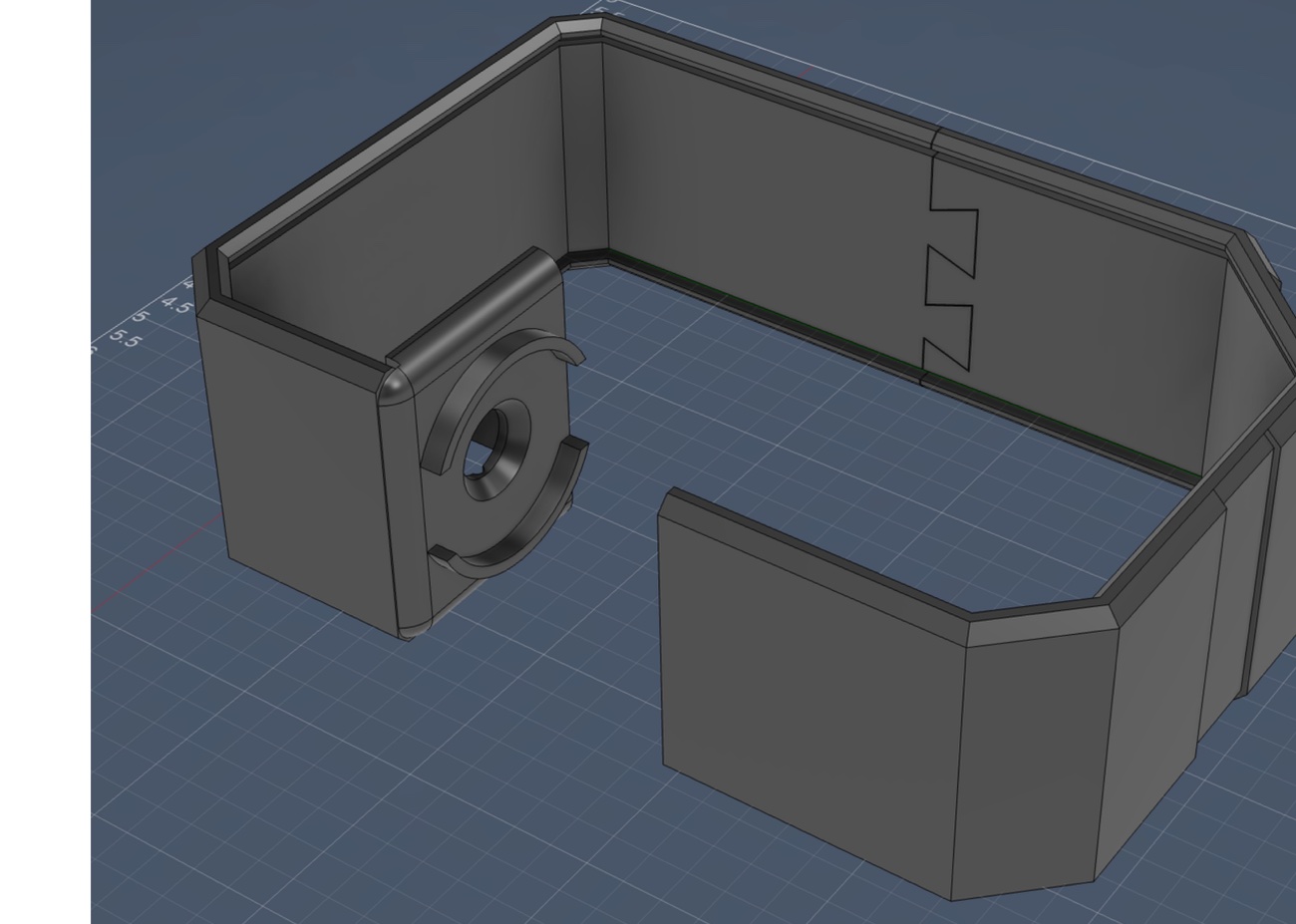
I combined translucent laser-cut and laser-etched acrylic panels, chosen because acrylic withstands the temperatures and stress that the LEDs put out, with an FDM-printed PLA structural shell in a matte finish. When the shell turned out larger than the print bed could handle, I sectioned it into gluable panels and assembled them to fit the acrylic precisely.
A rear slide-out panel opens the unit up for electronics access, charging, and maintenance, so the "complicated" object stays serviceable.
04 Final Result
The finished lamp does exactly what the brief asked for: it reads as a piece of alien lab equipment, with its circuitry left fully on display and lit from within.
It is also the first project where I took a circuit from a raw battery to a regulated, dimmable light entirely on my own. That hands-on electronics foundation is what everything in Artemis Nomad is built on.
